What is fostering?
Quick overview
What is fostering?
Providing a safe, temporary or long-term nurturing home for a child who cannot live with their birth family.
Key responsibilities:
- Daily care, routines, and advocacy for the child.
- Partnering with social workers and professionals.
- Building safe, predictable, trauma-informed relationships.
Types of fostering:
Emergency, Short-term, Long-term, Short-break, and Parent & Child.

Got Questions?
Book a discovery chat with a member of our team at a time that suits you.
Why do children need foster families?
Children come into foster care for many different reasons. A family may be going through a crisis, a child may need immediate protection, or a longer-term decision may be needed about where they will grow up.
Some children stay with a foster family for a few days or weeks. Others need a home for several years or until adulthood. Whatever the length of the placement, the child needs to feel safe, included and cared for.

What does a foster parent do?
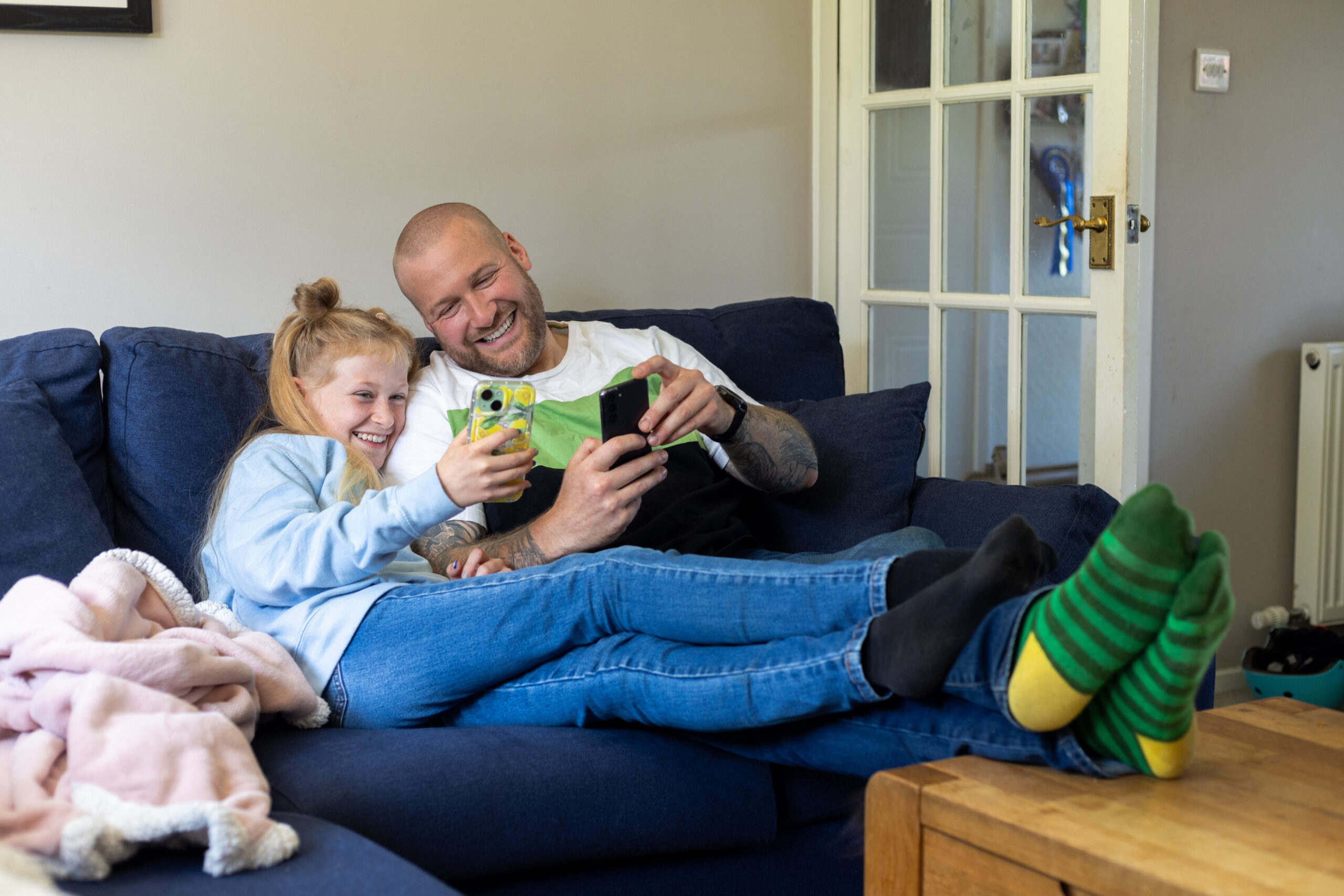
The everyday parts of fostering often look familiar: school runs, meals, appointments, homework, activities, bedtime routines and listening. Foster parents help children experience ordinary family life and create routines they can rely on.
The role also includes responsibilities that are specific to fostering. You will work with social workers and other professionals, attend meetings and training, keep appropriate records and support contact arrangements where these are part of the child’s plan.
Most importantly, you will advocate for the child and help the people around them understand what they need.
Fostering is about relationships
Many children in care have experienced loss, uncertainty or trauma. They may find it difficult to trust adults or express how they feel. Behaviour that looks challenging can be a way of communicating fear, frustration or an unmet need.
Flourish prepares foster parents to look beyond the immediate behaviour, stay curious about what may be happening underneath it and build safe, predictable relationships over time.

You are not expected to do it alone
Every Flourish foster parent has professional support. Your supervising social worker gets to know your household and is your main point of contact. You can also draw on specialist therapy, training, regional colleagues, practical teams and 24/7 on-call support.
Different types of fostering
The right fostering role depends on your availability, experience, household and the needs of children in your area. Flourish supports a range of fostering types, including emergency, short-term, long-term, short-break and parent and child fostering.
Our therapeutic approach runs through every type of fostering we provide.
Frequently Asked Questions
What is therapeutic fostering?
The core principle of therapeutic fostering is: if children are provided with the right environment and support, they can heal from past traumas and begin to thrive. Please visit our therapeutic fostering page for more information about what therapeutic fostering is
What skills do I need to become a therapeutic foster parent?
To become a foster parent with Flourish, you will need to be flexible, honest, and resilient. The most important thing is that you can see the potential in every young person, be reliable through the tough times, celebrate the good times and offer a secure, loving and caring home for a child.
What's the community of foster parents like at Flourish?
Flourish organises lots of activities and events throughout the year for families and children to attend. This helps to provide positive experiences for children living with a foster family to realise that they are not alone. We actively encourage our Foster Parents to meet regularly to build friendships, share experiences, have fun together and support each other.
Am I the right fit?
When it comes to applying to be a Foster Parent with us, your passion, attitude and commitment to making a difference in a young person’s life are what we care about. Not your race, religion, gender or marital status. However, some things are essential:
You must be aged 25 years or over:
- You should have a spare bedroom that a child can call their own
- You must have the legal right to work in the UK
- Full-time availability (the main Foster Parent must be available for fostering full-time)
- You must not have a conviction or caution that bars you from working with children
- You must make yourself available to the Social Worker, who will complete an assessment of your suitability to foster
If you would like more information about if you’d be the right fit, why not take our 2-minute foster parent self-assessment quiz.
Will I get paid?
At Flourish, we truly believe that the main reason to foster is to help vulnerable children grow and develop. However, we treat our foster parents as professionals. Our foster parents are given financial payments that cover the cost of caring for children and young people (maintenance) as well as a payment for their service (professional fee). This enables foster parents to commit to foster parenting as a full-time career. We operate a tiered payment structure, varying according to the type of fostering undertaken, the child’s age and needs, and the foster parent’s experience.
How long does it take to become a foster parent?
It usually takes around 3 to 4 months to become an approved foster parent. The exact timescale depends on your circumstances and how quickly checks and references can be completed, but we’ll support you every step of the way.
If you’re transferring from another fostering organisation, the process is often much quicker. In many cases, transfers can be completed in as little as 6 to 12 weeks, depending on your individual circumstances.
Discover if fostering could be right for you
Have an informal chat with our team about therapeutic fostering and how it could be part of your life.